Installer (.exe) Recommended
Clean install for everyday desktops
Windows
- Platform
- Windows
- Requirement
- Windows 10 or later, 64-bit
- Format
- Installer (.exe)
Windows setup guide Verify the signature before installing
Desktop clarity · Decentralized control
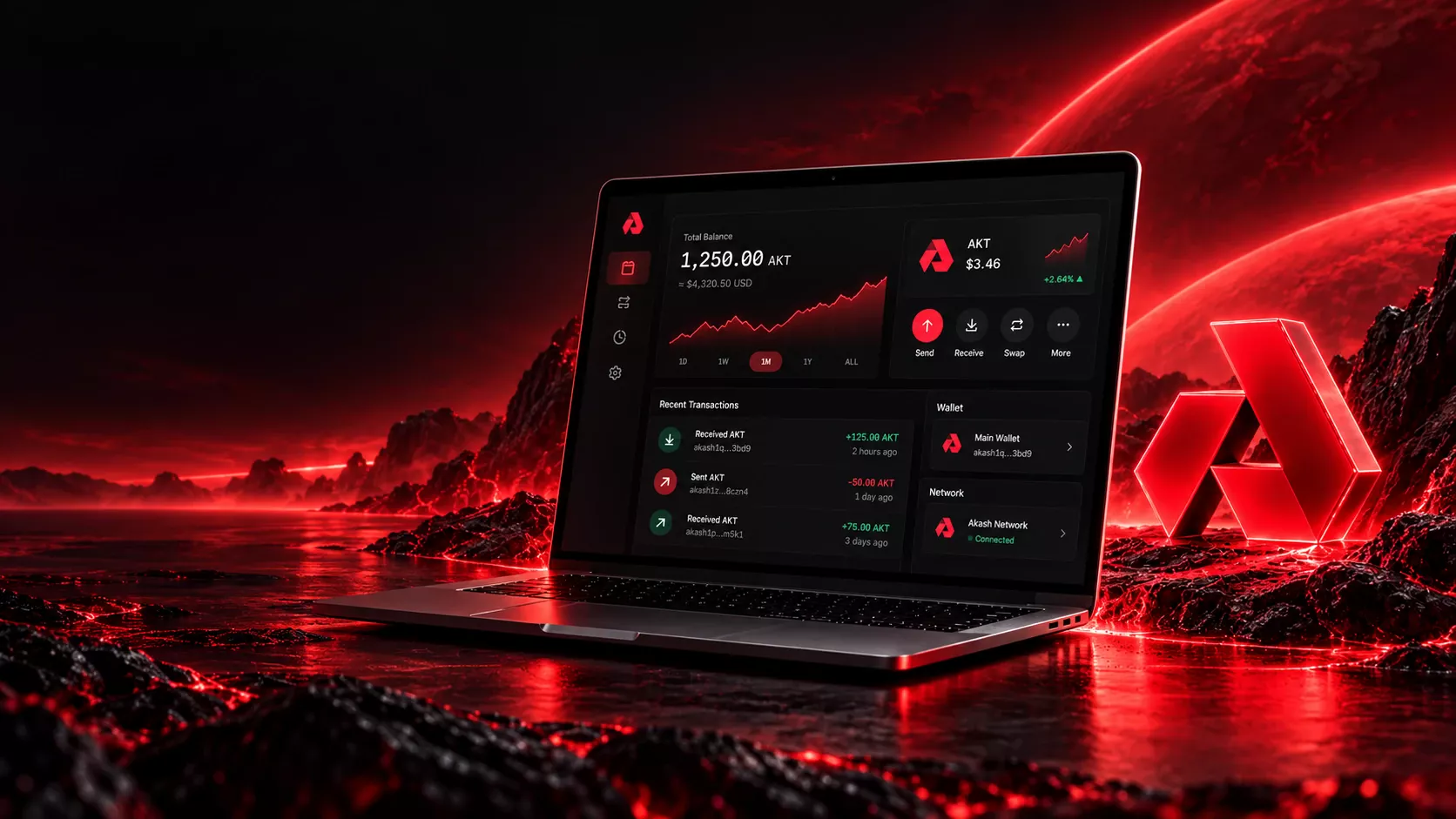
Akash Wallet brings AKT, self-custody and the decentralized Akash ecosystem into focus — with desktop guidance for Windows, macOS and Linux, clear transaction review and security at every step.
Desktop platforms
Explore desktop self-custody across Windows, macOS and Linux. Choose a platform to review system requirements, package formats and setup guidance.
Start with the platform that matches this device, or explore another desktop environment.
Recommended for this device: Windows
Clean install for everyday desktops

Native feel on Apple desktops

Open, portable builds for power users
Decentralized infrastructure
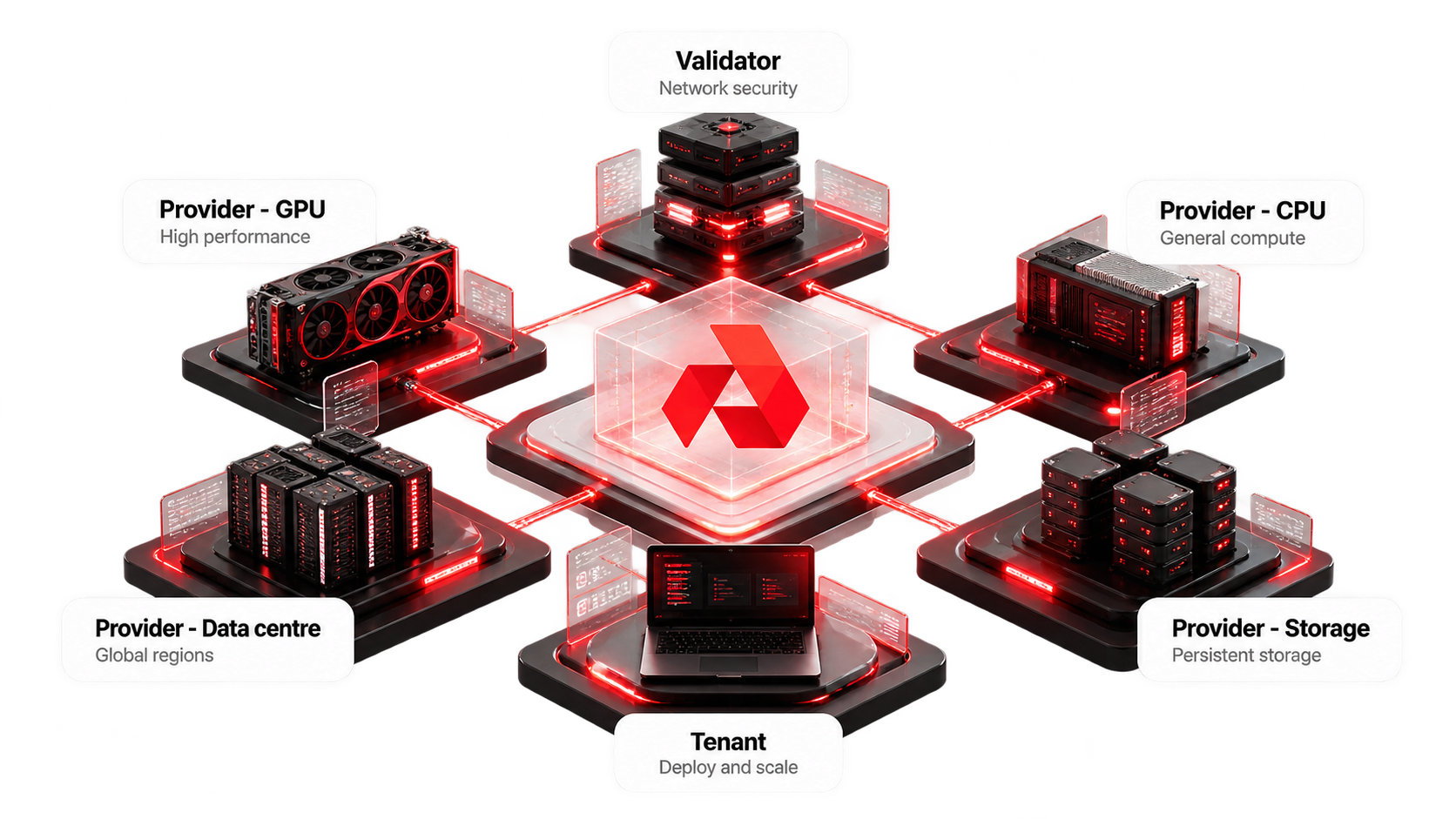
Akash Network is an open-source, decentralized marketplace for cloud compute. Instead of one company owning the data centres, independent providers list spare or dedicated capacity and compete to host workloads.
Built on Cosmos SDK
Akash is its own proof-of-stake blockchain, using CometBFT consensus and IBC for interoperability with other Cosmos chains.
Providers run the hardware
Operators register on-chain, publish attributes like region and GPU model, and run tenant containers on Kubernetes.
Payments settle on-chain
Leases are paid through on-chain escrow, so tenant and provider don’t need to trust each other directly.
AKT
AKT secures the chain and gives holders a voice in how the network evolves.
Staking
Delegate to validators to help secure proof-of-stake consensus.
Governance
Vote on on-chain proposals and network parameters.
Fees
Network transactions require fees, reviewed before you sign.
AKT vs ACT
AKT is the staking and governance asset. ACT is described in Akash documentation as a compute-focused credit linked to AKT through a burn–mint mechanism, intended for paying for compute. Read the ACT guide for current status.
Live market data
Explore AKT market activity with live price updates and interactive historical charts.
—
24h High
—
24h Low
—
24h Volume
—
Awaiting market data
Market data: Binance Futures · AKTUSDT Perpetual
Perpetual-futures prices may differ from the AKT spot market. Read-only information — not trading advice.
Compute marketplace
This is how the Akash marketplace matches workloads with providers. Deployments are made with ecosystem tools such as Akash Console — not with Akash Wallet. Select a step to see what happens.

Explanatory illustration of the Akash marketplace — not a wallet screen.
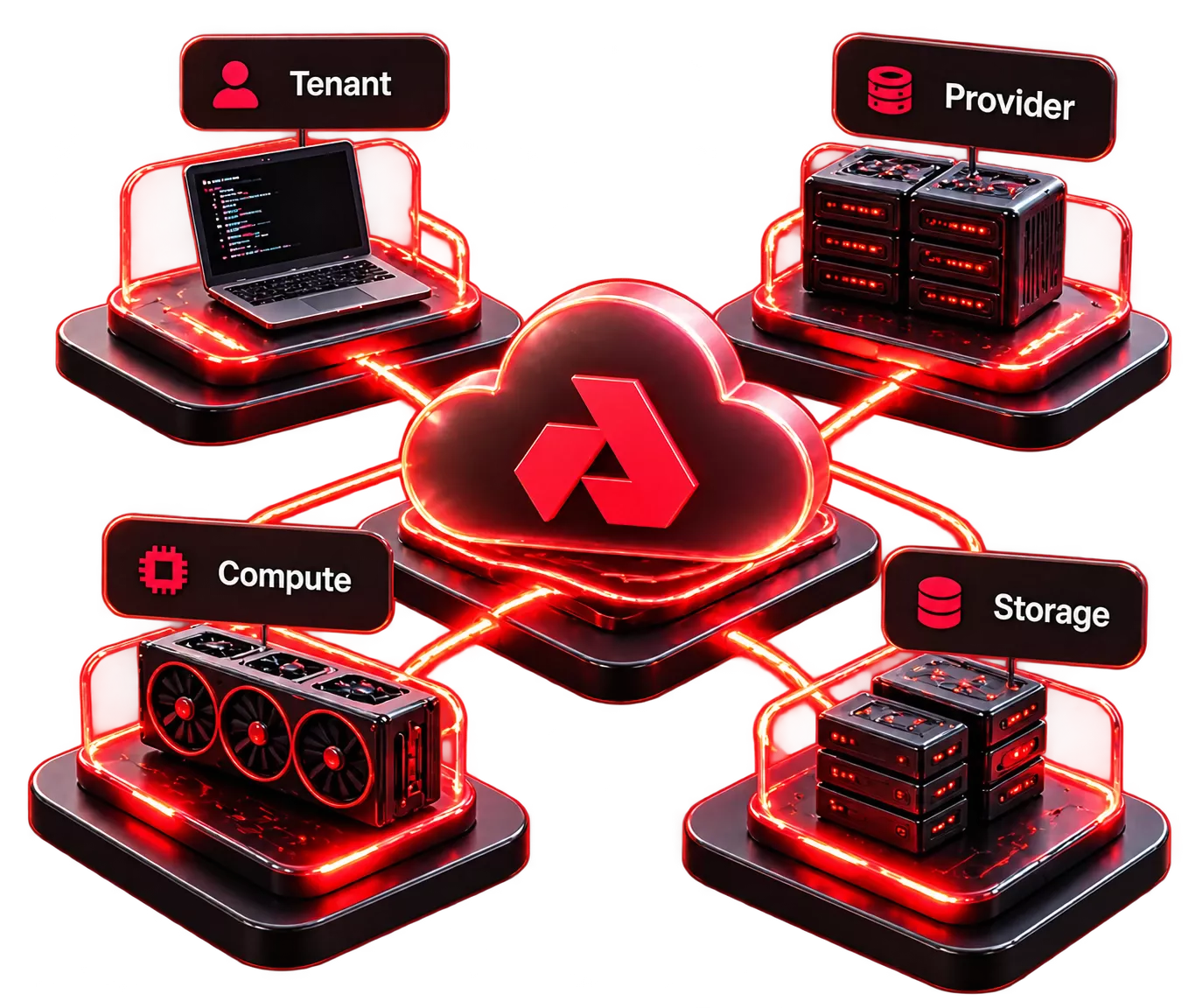
Marketplace lifecycle
Provider profile
Illustrative layout — no live data
CPU
vCPU units requested per service
GPU
Model and count, e.g. by vendor
Memory
RAM size per service
Storage
Ephemeral or persistent classes
Providers & resources
Tenants specify exactly what a service needs. Providers advertise capabilities as on-chain attributes, so a deployment can request a region, a GPU vendor or persistent storage and only matching providers will bid.
Read about providers in the documentationEcosystem

Web application for creating and managing deployments: SDL editing, bid selection and lease management.

A streamlined deployment experience for navigating the decentralized Akash compute marketplace.

Helps operators set up and manage an Akash provider and its offered resources.

Managed AI inference built on Akash compute, with an API for open models.
These are ecosystem tools, distinct from Akash Wallet. Names are used descriptively; check each project’s site for current details.
Network participation
Select a point on the map to learn how validators, providers, stakers and governance fit together.

Providers
Independent operators offer compute — CPU, GPU, memory and storage — and bid on deployment orders.
Security
Network checks
Confirm you’re on Akash mainnet (akashnet-2) before any action.
Address verification
Akash addresses start with akash1. Compare the whole string.
Signing awareness
Read the message type, recipient and fee — not just the amount.
Recovery protection
Your phrase never belongs in a website, chat or form.
Safe access
Verify the software source and publisher before installing any wallet.
Inspect the details before signing
Network identity
Akash Mainnet
akashnet-2
Destination address
akash1…recipient
Abbreviated example · compare the full address
Requested action
Send AKT
cosmos.bank.v1beta1.MsgSend
Know which chain you’re using.
Compare the network name and chain ID with the Akash documentation. Mainnet uses akashnet-2.
